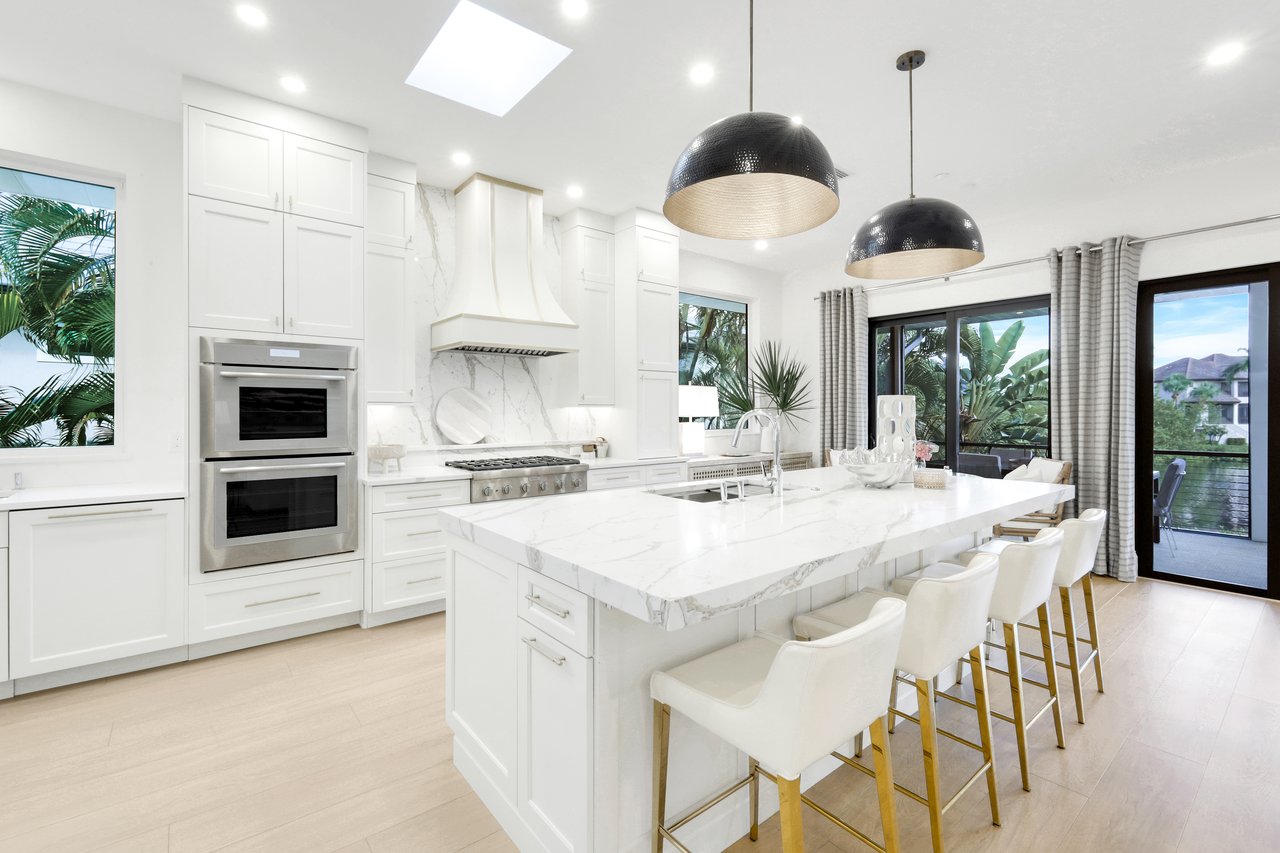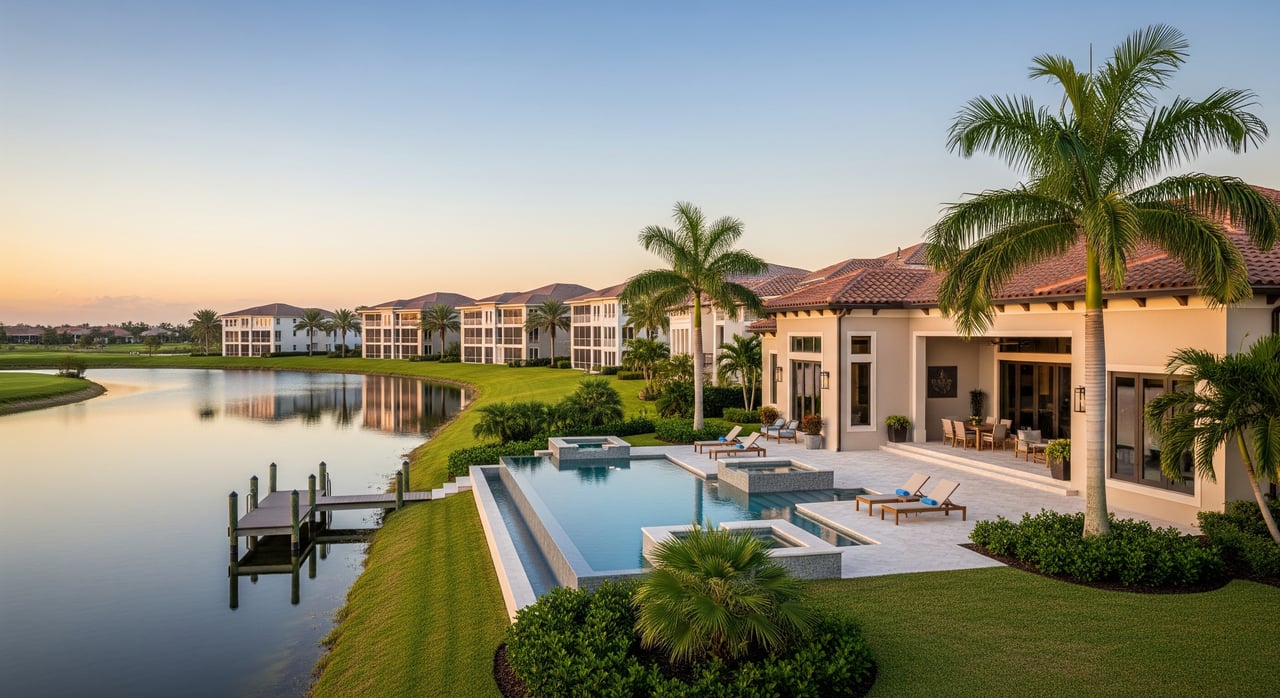
Trying to decide between a condo or a single-family home in Shadow Wood? You are not alone. Many Bonita Springs buyers weigh maintenance, insurance, financing, and lifestyle fit before making a move. This guide breaks down the differences in plain language, so you can choose with confidence and avoid surprises. Let’s dive in.
Shadow Wood at a glance
Shadow Wood sits within Bonita Springs in Lee County, a coastal market that draws retirees, seasonal residents, and lifestyle buyers who value proximity to beaches and amenities. In this area, master-planned communities often mix condos or coach homes with single-family residences under either a condominium association or an HOA. Always verify the specific governance for the property you are considering.
Buyers here commonly care about hurricane exposure, flood risk, healthcare access, and convenience to Naples and Fort Myers airports. Community features like pools, fitness centers, clubs, and gated security may influence fees and the day-to-day experience. If club membership matters to you, confirm whether it is optional or separate from association dues.
Ownership and legal basics in Florida
Condo or coach home ownership usually means you own the interior space of your unit plus a share of common elements, with a condo association managing exteriors and shared areas. Single-family ownership is typically fee simple, which gives you control over the land and structure, subject to any HOA rules.
In Florida, condominiums are governed by Chapter 718 of the Florida Statutes. HOAs are governed by Chapter 720. Before you buy, request and review the governing documents, bylaws, rules, budgets, reserve studies, meeting minutes, master insurance details, and any special assessment history. Strong governance and well-funded reserves support long-term value and smoother ownership.
What to review before you buy
- Declaration or condominium documents, bylaws, rules and regulations
- Current budget, most recent reserve study, and the last 12 to 24 months of meeting minutes
- Insurance policies for the association, including wind and hurricane deductibles
- Delinquency rates, litigation, and special assessment history
- Rental guidelines, pet policies, and any architectural control requirements
Costs, insurance, and financing
Upfront and ongoing costs
Single-family homes generally command higher purchase prices since you are buying land plus a standalone structure. Condos or coach homes often have lower upfront prices, though fees vary with amenities and services. Condos carry monthly or quarterly dues that usually cover building insurance for exteriors, landscaping, and shared amenities, while single-family owners may pay lower dues but take on yard, exterior, and roof costs directly.
Special assessments can occur in both scenarios, often for capital projects or storm repairs. Review the association’s reserve funding and assessment history to gauge risk.
Insurance factors in Florida
Condo owners typically rely on the association’s master policy for exteriors and common elements but should carry an HO-6 policy for interior finishes, personal property, liability, and loss assessment coverage. Single-family owners generally need an HO-3 policy for the dwelling and improvements. In both cases, wind and hurricane exposure is a major premium driver.
Flood insurance is separate from the association’s master policy. Many properties in Lee County sit in varying FEMA flood zones. Your lender may require flood coverage, so confirm the property’s flood designation early in the process.
Financing considerations
Lenders often apply stricter standards to condo projects, including owner-occupancy ratios, reserves, and delinquency levels. FHA and VA loans may require project approval, which can affect timelines. Single-family homes are usually simpler to underwrite, provided there are no unusual title or property issues.
Taxes and exemptions
Florida property taxes apply to both property types. If you plan to make the property your primary residence, the Florida Homestead Exemption and the Save Our Homes cap can reduce your taxable value and limit annual assessment increases. Verify eligibility and deadlines with the Lee County Property Appraiser.
Lifestyle and use rules
Maintenance and time commitment
Condos and coach homes offer low-maintenance convenience since the association typically handles exteriors, landscaping, and many repairs. This is ideal if you plan to be seasonal or want a lock-and-leave setup. Single-family homes offer more control over projects and finishes, but you are responsible for yard, roof, exterior, and pool care if applicable.
Privacy, space, and noise
Single-family homes provide more separation, a private yard, and fewer shared walls, which can improve privacy and reduce noise transfer. Condos or coach homes involve shared walls or floors, and parking may be assigned. If privacy and outdoor living are priorities, a single-family home may be the better fit.
Amenities and memberships
If you value pools, fitness centers, organized social activities, and managed landscaping, condo communities can be a strong match. In golf communities, confirm whether club membership is optional, required, and separate from HOA or condo dues.
Rental and pet policies
Most associations regulate rentals through minimum lease terms, caps on the number of rental units, or limits on frequency. Pet rules may address size or number of pets and leashing. If you want rental flexibility or have pets, confirm policies before you submit an offer.
Which fits your lifestyle?
- Choose a condo or coach home if you want low maintenance, social amenities, and a lock-and-leave lifestyle.
- Choose a single-family home if you want maximum privacy, a yard for pets or hobbies, and more control over exterior choices.
- If storm resilience and control over repairs matter most, a single-family home gives you direct control, but you also take on full responsibility for costs. Either way, plan for wind and flood coverage.
Due diligence checklist for Shadow Wood
- Confirm governance. Is it a condominium regime or a fee-simple lot within an HOA? Get the governing documents.
- Review association health. Read the declaration, bylaws, rules, budget, reserve study, insurance policies, and the last 12 to 24 months of minutes.
- Verify fees and assessments. Understand current dues, what they cover, any pending or recent special assessments, and reserve funding levels.
- Price insurance early. Obtain quotes for HO-6 or HO-3 policies and verify the association’s master policy deductibles. Price flood insurance if required.
- Check flood risk. Look up the property’s FEMA flood zone and request any elevation certificates available.
- Confirm financing feasibility. If buying a condo, ask your lender to evaluate project eligibility for conventional, FHA, or VA financing.
- Review rental and pet rules. Confirm lease terms, caps, and pet limits if those are important to your plans.
- Evaluate parking and storage. Confirm assigned spaces, guest parking, and any rules for boats or RVs.
- Gauge noise and privacy. Consider unit position, shared walls, and any known construction or maintenance schedules.
- Understand amenities and memberships. Confirm which amenities are included in dues and whether club membership is optional or required.
- Inspect thoroughly. Get a home inspection. For condos, review the most recent reserve study and any engineer reports.
- Speak with management. Ask about recent issues, planned projects, litigation, and overall community culture.
Buyer profiles and guidance
- Retiree or seasonal owner. A condo or coach home with sound reserves and active amenities can provide easy maintenance and a social environment.
- Family or full-time resident. A single-family home offers space, privacy, and outdoor flexibility for daily living.
- Investor. Verify rental caps and minimum lease terms, and consider how association rules affect demand and resale. Financing requirements for condos may influence liquidity.
- Resale-focused buyer. Favor well-managed communities with strong reserves and clear rules. For condos, project eligibility can improve financing and marketability.
Ready to compare properties in Shadow Wood?
Whether you lean condo or single-family, the right choice aligns your budget, maintenance preferences, and long-term plans. A focused review of governance, reserves, insurance, and flood risk will protect your investment and your peace of mind. If you would like a property-by-property analysis, documents review guidance, and introductions to lenders and insurers familiar with Bonita Springs communities, connect with Jay Westerlund for a personalized consultation.
FAQs
What are the key legal differences between Florida condos and single-family homes?
- Condos fall under Chapter 718 of Florida Statutes with association-managed exteriors and common elements, while single-family homes in HOAs fall under Chapter 720 with owners maintaining their own structures and land.
How do HOA or condo fees typically work in Shadow Wood?
- Fees vary by governance and amenities, with condo dues often covering exterior insurance and common area maintenance, while single-family owners may have lower dues but handle their own exterior upkeep.
Do I need flood insurance for a home in Shadow Wood?
- Many Lee County properties are in FEMA flood zones, and lenders may require coverage, so verify the property’s flood designation and price a policy early.
Is financing a condo harder than financing a house in Bonita Springs?
- It can be, since many lenders require condo project eligibility reviews for conventional, FHA, or VA loans, which can affect timelines and approval.
What should seasonal buyers prioritize when choosing a property type?
- Focus on maintenance level, association reserves and insurance deductibles, rental flexibility if desired, and proximity to the amenities you plan to use while in residence.