Dreaming of Gulf views and easy beach days but not sure which Vanderbilt Beach condo fits your routine and budget? You are not alone. Between beachfront towers, low‑rise complexes, and inland options, the amenity mix can change your daily rhythm and long‑term costs. This guide shows you how to compare amenities, services, and HOA realities so you can choose a building that matches how you want to live. Let’s dive in.
How amenities shape daily life
Amenities do more than look good in photos. They shape your mornings, your maintenance to‑do list, and your HOA fees. Here is how the common Vanderbilt Beach features translate into lifestyle.
Beachfront access
- Buildings with private beach access or a deeded boardwalk make daily beach time easy and reduce crowding. The tradeoff is higher purchase prices and HOA costs tied to coastal maintenance and insurance.
- Extras like beach chair storage or terrace lounges add convenience. If you plan to walk the beach every day, this can be a must‑have.
Outdoor recreation
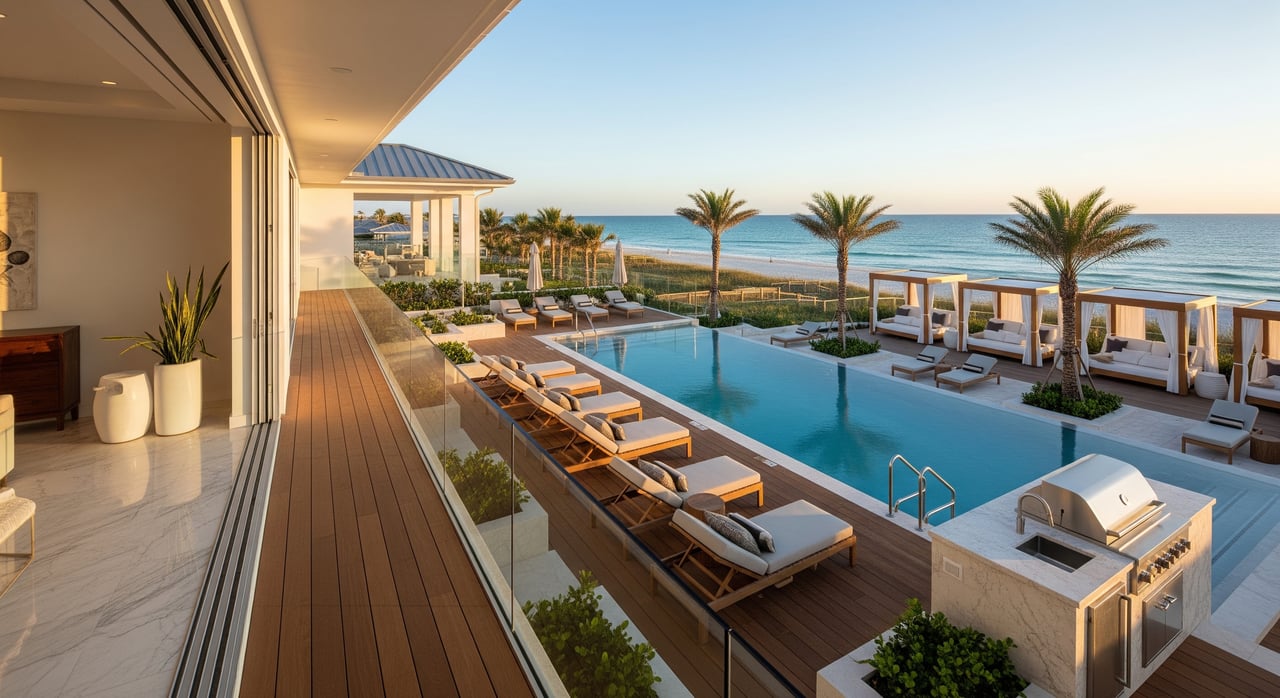
- Heated pools, spas, grills, and cabanas support a relaxed resort feel. Courts for pickleball or tennis encourage an active social scene.
- These areas require staffing and upkeep. Expect maintenance schedules and seasonal demand to affect availability.
Indoor wellness
- Fitness centers, yoga rooms, saunas, and locker rooms make it easier to exercise year‑round without leaving the building.
- Equipment upgrades, HVAC, and staffing can influence HOA dues. Ask how often equipment is replaced and when spaces are busiest.
Concierge and services
- A staffed front desk, package acceptance, valet parking, or on‑site management brings true lock‑and‑leave living.
- These services are popular with seasonal owners and frequent travelers. They also increase administrative and staffing costs in the budget.
Security and building systems
- Gated entries, key fob access, and security cameras deliver peace of mind. An on‑site management office can shorten response times for maintenance.
- Backup systems, like emergency generators, matter during weather events. Confirm what the building has and how often systems are tested.
Parking and storage
- Assigned covered or deeded garage spaces protect your car and add resale value. Visitor parking policies are important during peak season.
- Bike storage, beach gear lockers, and dedicated storage rooms can keep smaller floor plans feeling clutter‑free.
Pet policies and green space
- Pet rules vary. Some buildings allow pets with size or breed limits while others do not permit them.
- If you have a pet or plan to, verify rules and available outdoor areas before you tour units.
Social programming
- Community rooms, clubs, and social calendars help you meet neighbors quickly. Business centers and libraries add quiet work or reading space.
- If you enjoy group activities, ask for a sample calendar. If you prefer a quieter environment, visit at different times to gauge activity.
Maintenance and infrastructure
- Elevator count, reliability, and recent capital projects affect daily comfort. Trash chutes or valet trash, on‑site maintenance hours, and laundry options all matter in practice.
- Review recent projects, inspection histories, and any planned work that could require special assessments.
Rentals and guest accommodations
- On‑site rental desks, guest suites, and flexible rental terms point to an investor‑friendly environment.
- Minimum rental periods and frequency limits signal a focus on owner occupancy. Decide what fits your goals before you compare buildings.
Match amenities to your lifestyle
Seasonal owners
- Look for concierge, on‑site management, secure package handling, and easy beach access. Lock‑and‑leave living reduces friction when you travel.
- Ask about off‑season staffing levels and how maintenance or deliveries are handled when you are away.
Full‑time residents
- Prioritize year‑round services, a reliable fitness center, and a strong sense of community. Building systems and reserve funding are key.
- Review meeting minutes and reserve studies to understand upcoming projects and potential assessments.
Investors and rental‑minded buyers
- Focus on rental policies, minimum terms, and any on‑site rental management. Confirm registration and tax requirements in Collier County.
- Consider amenities that appeal to guests, such as a pool, fitness center, and easy beach access, while weighing the cost of higher HOA dues.
Downsizers and simplifiers
- Smaller floor plans with concierge service, efficient storage, and walkable access to the beach can deliver a low‑maintenance life.
- Elevators, accessibility features, and parking proximity will matter more over time.
What HOA health means for you
The best amenity package only works if the HOA can fund it consistently. Review the budget, financial statements, insurance certificates, and the latest reserve study before you write an offer.
- Adequate reserves and consistent operating surpluses help avoid sudden special assessments.
- Confirm the master insurance type and deductible level, and obtain quotes for your HO‑6 and flood coverage.
- For structural and life‑safety compliance, ask for recent engineering and elevator inspection reports. Florida’s post‑Surfside reforms increased inspection requirements, so you want to see recent documentation from the board or manager.
Use official sources while you research:
- Verify ownership, year built, and tax data with the Collier County Property Appraiser.
- Check recorded condo declarations and any liens through the Collier County Clerk and Recorder.
- Review local rules that may affect rentals or permitting in the Collier County Code of Ordinances.
- Confirm flood zone designations with the FEMA Flood Map Service Center.
- Track statewide condo safety updates via the Florida Department of Business and Professional Regulation.
- Explore insurance trends and guidance from the Florida Office of Insurance Regulation.
- For market context and norms, consult the Naples Area Board of REALTORS.
Rental rules on Vanderbilt Beach
Short‑term rental viability varies by building and by county rules. Before you bank on income, confirm the details.
- Ask about minimum rental terms, frequency limits per year, required registration, and transient occupancy tax collection.
- Verify whether the building offers an on‑site rental desk or allows third‑party management.
- Review the condo documents and talk with management about enforcement and typical occupancy cycles.
A simple comparison framework
Use this checklist to compare any two buildings side by side. Capture the same details for each so you can weigh lifestyle and costs clearly.
- Building type and location: beachfront high‑rise, low‑rise, or inland; how you reach the beach.
- Unit mix and ownership: typical floor plans, owner‑occupancy percentage.
- Amenities: top 6 to 10 items such as beach access, pool, fitness center, concierge, parking, and social rooms.
- HOA dues and inclusions: utilities, cable or internet, building insurance, security, reserves, pest control.
- Recent capital projects and reserve study: dates, scope, and next projects.
- Insurance structure: master policy type, deductible, and recent claim history.
- Rental policy: allowed, minimum term, frequency, on‑site management.
- Pet policy: allowed, size limits, designated pet areas.
- Lifestyle cues: quiet resort environment, active social calendar, investor‑heavy environment.
- Walkability and access: nearest groceries, dining, parks, and medical facilities.
- Parking: assigned spot details, guest parking rules, storage availability.
- Elevators and building age: count, reliability, and inspection status.
- Known issues or litigation: verify via minutes and county records.
Smart questions to ask before you offer
- What is included in the monthly assessment and what is the current reserve contribution per unit?
- Have the most recent structural and life‑safety inspections been completed and can you review the reports?
- Are any special assessments planned or under consideration in the next 12 to 24 months?
- What percentage of units are rented and what are the typical occupancy cycles in season and off‑season?
- How often are the pool, gym, or courts closed for maintenance and how is that communicated to owners?
- What are the guest parking rules during peak months and is overflow available nearby?
- How are packages handled in high season and are there staffed front‑desk hours?
- What is the elevator outage history and do backup systems exist for power loss?
- What are the pet, storage, and renovation rules that could affect your plans?
Red flags to watch
- Thin or negative reserves, or a pattern of frequent special assessments.
- Ongoing litigation with meaningful financial exposure for the association.
- Repeated elevator or mechanical failures without a long‑term plan to fix them.
- Ambiguous or very restrictive rental rules if you plan to rent the unit.
- A high proportion of short‑term rentals if you prefer a quieter, owner‑occupied environment.
Visit like a local
- Tour at different times and days, including weekend afternoons in peak season, to understand traffic, elevator usage, and pool activity.
- Walk the route to the beach and nearby restaurants to gauge convenience.
- Ask to see common areas, service corridors, package rooms, and a sample owner packet with recent minutes and the reserve study summary.
- Talk with residents or front‑desk staff about daily operations, maintenance response times, and communication practices.
Your next step
Choosing the right Vanderbilt Beach condo is about aligning amenities, services, and association health with how you want to live. If you want help narrowing options and vetting HOA documents, schedule a conversation with the Westerlund Team. Reach out to Jay Westerlund to Schedule a Personalized Consultation.
FAQs
What amenities do Vanderbilt Beach condos typically offer?
- Many buildings offer private or deeded beach access, pools and spas, fitness rooms, social spaces, concierge or on‑site management, secure entry, and assigned parking; offerings vary by building and affect HOA costs.
How do HOA fees relate to amenities in Vanderbilt Beach condos?
- Amenity‑rich and beachfront buildings often have higher dues due to staffing, coastal maintenance, insurance, and equipment upgrades; always review the budget, reserves, and what utilities or services are included.
Do Vanderbilt Beach condos allow short‑term rentals?
- Policies vary by building; confirm minimum terms, frequency limits, and registration requirements, and review local rules in the Collier County Code of Ordinances before assuming rental income.
How can I check flood risk for a Vanderbilt Beach condo?
- Search the property’s address in the FEMA Flood Map Service Center and review the building’s master insurance details, then obtain quotes for your HO‑6 and any required flood coverage.
What documents should I review before buying a Vanderbilt Beach condo?
- Request the current budget, financial statements, insurance certificates, reserve study, recent meeting minutes, inspection and engineering reports, rental and pet policies, and recorded declarations through the Collier County Clerk and Recorder.