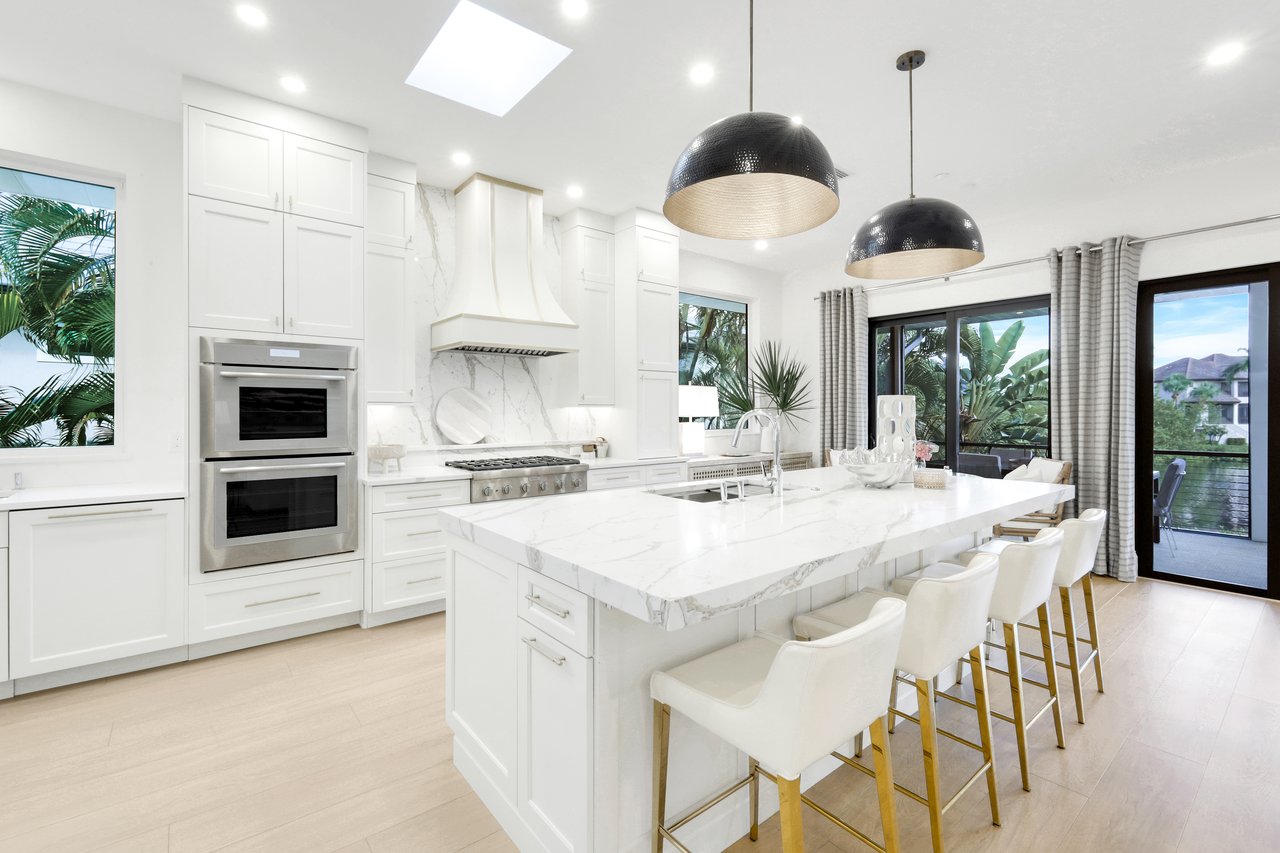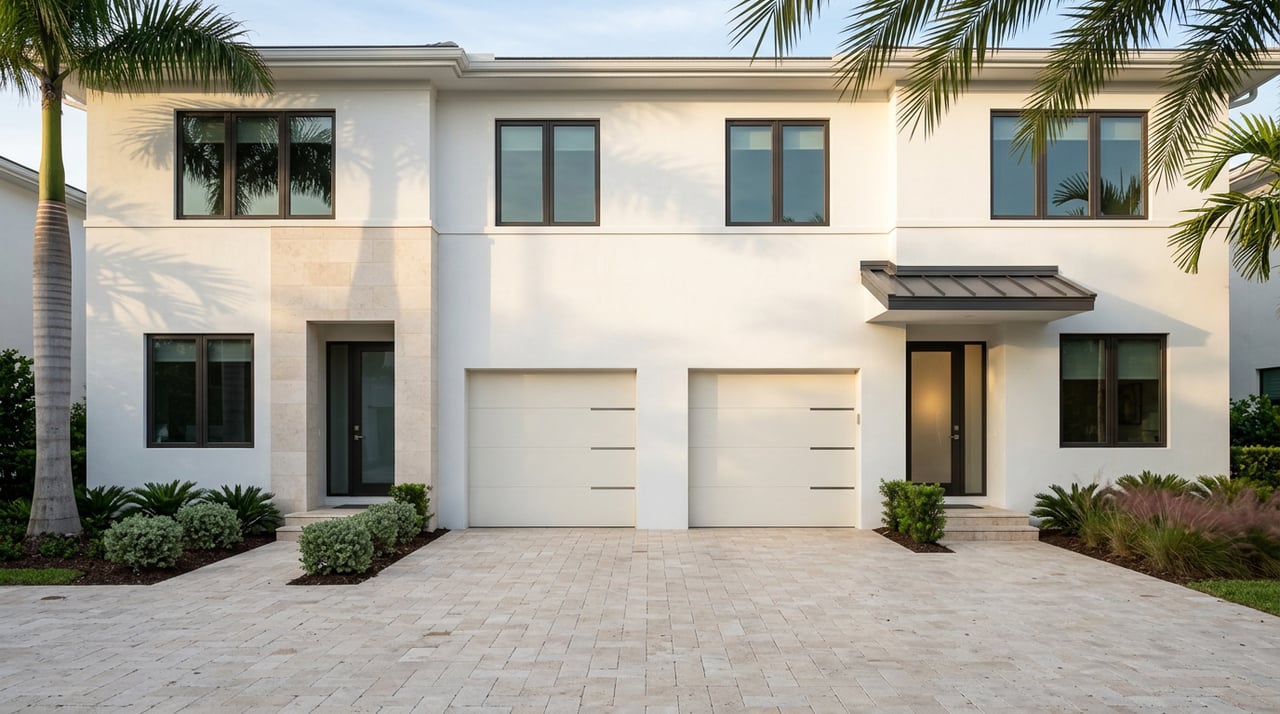
Torn between the ease of a coach home and the space of a single‑family residence in Mediterra? You are not alone. The choice comes down to how you want to live day to day, what you want to maintain, and how much privacy you prefer. In this guide, you will compare space, maintenance, costs, and lifestyle so you can move forward with confidence in North Naples’ premier gated community. Let’s dive in.
Mediterra at a glance
Mediterra is a gated, master‑planned community of about 1,697 acres with under 1,000 residences, set among lakes, preserves and golf in North Naples/Collier County. You will find coach homes, maintenance‑free villas, and larger single‑family estate homes across distinct neighborhoods and settings. You can get a quick feel for the community’s scale and location from the official community overview on the Mediterra site.
What “coach” vs “single‑family” means here
Coach homes
In Mediterra, coach homes are condominium residences in multi‑unit buildings. They often live like a single‑family home, with multi‑bedroom layouts, a two‑car garage, and large screened lanais, but exterior building care and common areas are handled by the condo association. This setup appeals if you want a lock‑and‑leave lifestyle with fewer homeownership chores.
Single‑family: villas and estates
Single‑family in Mediterra comes in two flavors:
- Villas: Detached homes on smaller lots that are described as maintenance‑free in community materials. Neighborhood associations typically handle common landscaping and some exterior services, so you get a private yard and often room for a pool without doing all the upkeep yourself.
- Estates: Larger single‑family homes on bigger lots designed for maximum space, custom outdoor living, and more separation between neighbors. These homes favor privacy and personalization.
Space and layout: how much room do you get?
Published materials and recent plans show clear size patterns by product type. Typical interior ranges are:
- Coach homes: roughly 2,400 to 2,900 square feet, often with 2 to 3 bedrooms plus a den and a 2‑car garage.
- Villas: roughly 2,800 to 4,400+ square feet, commonly with multiple garages and generous covered outdoor rooms.
- Estates: about 4,200 square feet and up, with custom options for guest suites and expansive indoor‑outdoor living.
You can browse representative floor plan concepts and size ranges from the developer’s floor plan overview. Exact dimensions and room counts vary by model, renovations, and view, so be sure to verify the MLS details for each property you tour.
Outdoor living and privacy
- Coach homes typically offer a large screened lanai facing lakes, preserves, or golf, but limited private yard space. You share the building envelope with other neighbors, which keeps maintenance lower but reduces separation.
- Villas balance privacy and convenience. You will have a private yard and often a pool, plus the benefit of neighborhood landscaping services that keep exteriors consistent and easy.
- Estates deliver the most privacy, largest yards, and the widest canvas for outdoor kitchens, custom pools, guest parking, and entertaining. The tradeoff is more owner‑managed upkeep.
Maintenance: who handles what
- Coach homes: The condo association usually maintains building exteriors, roofs, common corridors, and neighborhood amenities. You maintain interiors. Owners typically carry an HO‑6 insurance policy while the association has a master policy for exterior and common areas. Florida’s insurance guidance explains these coverage types and the importance of understanding master policy deductibles. See the Florida Office of Insurance Regulation’s homeowner guidance for a helpful overview.
- Villas: These are described as maintenance‑free, which generally means the HOA or master association handles common grounds and often certain exterior services like landscaping and irrigation. Inclusions vary by neighborhood, so ask for an itemized list of what your regular assessments cover.
- Estates: You manage most items on your individual lot. The master association maintains community common areas, but you will select vendors for landscape, pool service, and other exterior needs. Expect higher time or vendor costs compared with coach or villa living.
Costs to expect: fees and memberships
Mediterra ownership includes several recurring costs beyond your mortgage and taxes:
- Amenity Preservation Fee (APF): The community has a capital fee historically tiered by property type. Because amounts and billing can change over time, confirm current APF details with the Club or HOA before you finalize a decision.
- HOA or sub‑association assessments: These vary by neighborhood and by what is included, especially in villa enclaves where landscaping and some exterior services are part of the fee. Ask for the current budget, reserve study, and a breakdown of included services.
- Club membership: The Club at Mediterra offers multiple categories, such as Golf, Limited Golf, Sports & Beach, and Lifestyle. Initiation deposits and dues can be significant and are periodically updated, with caps and potential waitlists for certain categories. Verify current initiation amounts, waitlist status, and whether memberships transfer with the property during due diligence.
Tip: Request the community documents, the latest budget, and a resale or estoppel package as part of any offer. Florida law governs HOA disclosures and the role of association documents. You can reference Chapter 720 for HOAs on the Florida Statutes site, and learn about what an estoppel includes from this overview of association estoppels and what they show.
Lifestyle: lock‑and‑leave vs room to spread out
- Coach homes offer the simplest lock‑and‑leave lifestyle with association‑handled exteriors and shared amenities nearby. This is a strong match if you split time between homes or want fewer chores.
- Villas provide a single‑family feel with a private yard and pool potential, yet most exterior work is covered by the association. They suit buyers who want outdoor living without full estate responsibilities.
- Estates are for you if you value privacy, space, and custom outdoor features. You will likely hire vendors for landscape, pool, and home watch to keep things turnkey when you travel.
Rental rules, pets, and community governance
Leasing and pet rules vary by Mediterra neighborhood. Some sub‑associations limit the number of leases per year and set minimum lease terms. Pet approvals can include size or number guidelines. Always review the HOA and sub‑association documents before you buy. Ask for the current rules, recent meeting minutes, and any pending amendments so you know exactly what to expect.
Due diligence checklist for your Mediterra tour
Use this quick list to stay organized:
- Ask for the full resale or estoppel package showing current assessments, any unpaid balances, and transfer fees. Review the CC&R, bylaws, budgets, and reserve study to see what the HOA covers and whether special assessments are planned.
- Confirm APF details, HOA/sub‑association fees, and any club initiation or dues for your property type. Ask about transferability and waitlists for golf.
- Verify what the HOA versus the owner maintains: roof, exterior paint, landscaping, irrigation, private pools, and gate or road obligations. Request vendor lists and typical monthly costs.
- Get early insurance quotes. For coach homes, understand the master condo policy and the association’s deductible. For single‑family, compare HO‑3 coverage and flood options. Florida’s insurance guide is a useful primer on coverage types and common questions. See the state’s homeowner insurance resource.
- Check flood risk and any building elevation data. Collier County has updated floodplain maps in recent years, which can affect flood insurance pricing and renovation rules. Start with the county’s Floodplain Management page and request an elevation certificate if applicable.
Quick chooser: which fits you best?
- Choose a coach home if you want maximum convenience, minimal yard care, and a spacious condo that lives like a house with lower maintenance.
- Choose a villa if you want a single‑family residence with a private yard or pool and exterior services handled by the association.
- Choose an estate if you want the most privacy, largest lots, and fully custom outdoor living, and you are comfortable managing vendors or a property manager.
Ready to compare properties in person?
If Mediterra is on your short list, the next step is a tailored tour that matches your lifestyle, space needs, and desired cost profile. With deep experience in Southwest Florida’s premier golf communities, we will help you weigh coach, villa, and estate options side by side and clarify the true cost of ownership before you decide. When you are ready, reach out to Jay Westerlund to Schedule a Personalized Consultation.
FAQs
What is a Mediterra coach home and how is it owned?
- A coach home in Mediterra is a condominium in a multi‑unit building with association‑maintained exteriors and common areas; you own the interior and typically carry an HO‑6 policy while the association holds a master policy.
How do maintenance‑free Mediterra villas work?
- Villas are single‑family homes where the neighborhood HOA usually covers common landscaping and often some exterior services, giving you a yard and single‑family feel with fewer chores; verify exact inclusions in the HOA documents.
What ongoing fees should I expect in Mediterra?
- Budget for HOA or sub‑association assessments, the community’s Amenity Preservation Fee, and any Club initiation and dues; confirm current amounts, inclusions, and transfer rules with the HOA and Club.
How do insurance needs differ for coach vs single‑family homes?
- Condo owners typically purchase HO‑6 coverage for interiors while the association insures exteriors; single‑family owners carry HO‑3 for the dwelling and structures; review master policy deductibles and see Florida’s homeowner insurance guidance.
Is flood insurance required for Mediterra homes?
- Requirements depend on the specific property’s flood zone and lender rules; check Collier County’s Floodplain Management resources and request an elevation certificate to understand risk and pricing.